Wart Removal: What You Should Know for Safe, Effective Treatment
19 November 2025
Deciding to seek professional help for wart removal can feel like a big step. Warts are common, often harmless, yet they can be unsightly, uncomfortable, or socially awkward. For many people, removing a wart is about more than looks — it can mean comfort, confidence and peace of mind. In this article we offer a comprehensive and honest guide to wart removal: what warts are, why and when you might consider removing them, what modern wart removal treatments involve, what to expect before, during and after treatment, potential risks, and how to choose treatment that aligns with your needs and skin health. This is a balanced, educational resource written for anyone considering wart removal and wanting to make an informed decision.
Understanding Warts: What They Are and Why They Occur
Warts are small, non-cancerous skin growths caused by a virus in the human papillomavirus family (HPV). They can appear anywhere on the body, but are most commonly found on hands, feet, face, neck, or other areas depending on the strain of virus. Warts may feel rough or raised, and sometimes they can be flat or grow inward, especially on the soles of the feet. Even though many warts are harmless and may disappear over time, they may persist for months or years without treatment. Over time they can spread to nearby skin or be transmitted to others through skin contact or shared surfaces. For some people warts might cause discomfort, pain (particularly plantar warts on the soles), or cosmetic concern when they appear in visible areas.
Because of these factors, many choose to treat warts rather than wait for them to disappear naturally. Treatment may also be considered when warts grow, change appearance, cause pain, bleed, or multiply frequently. Medical guidance is particularly important if a wart is located on sensitive skin, changes in colour or shape, appears repeatedly, or resists standard home-based treatments.
While there are many over-the-counter or home remedies for warts, including topical acids, tapes or creams, these methods can be slow, unreliable, or not suitable for all types of warts. For instance, wart removal on thick skin (like the soles of feet) is often challenging and may require professional treatment. Medical interventions are frequently more effective and can offer faster removal with lower risk of scarring or recurrence.
At a well-equipped dermatology and laser clinic, uro-skin-specialised procedures can treat warts using techniques tailored to the wart’s type, location and severity. The goal is to remove the wart, reduce risk of spread and at the same time preserve healthy skin, minimize discomfort and avoid visible marks or scars.
Modern Wart Removal Methods and How They Work
When you visit a professional skin and laser clinic for wart removal, a trained practitioner will typically assess the wart’s type, size and location before recommending the most suitable treatment. Among the common and effective methods are cryotherapy (freezing), laser therapy, RF cautery (radiofrequency cauterisation) or electrosurgery. The choice of method depends on factors such as how deep the wart is, whether it is on sensitive skin, how stubborn it is, and potential risk of scarring.
Cryotherapy involves applying very low temperature — typically via liquid nitrogen — to freeze the wart tissue. This freezes the wart cells, causing them to die and eventually slough off. Cryotherapy is widely used for common warts, and in many cases requires repeat treatments spaced a few weeks apart. Because the freezing targets the wart tissue with minimal effect on nearby healthy skin, cryotherapy is often a first-line treatment for warts, especially those on hands or other fairly thin skin.
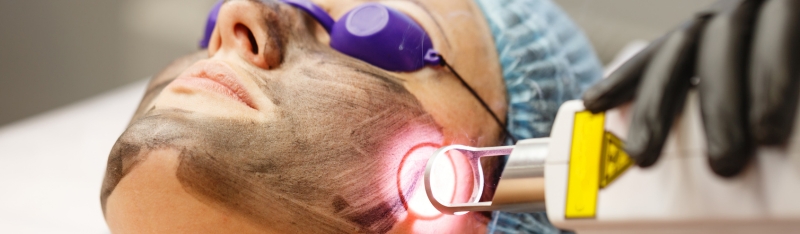
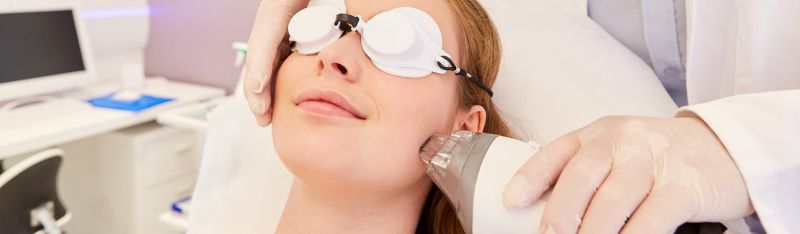
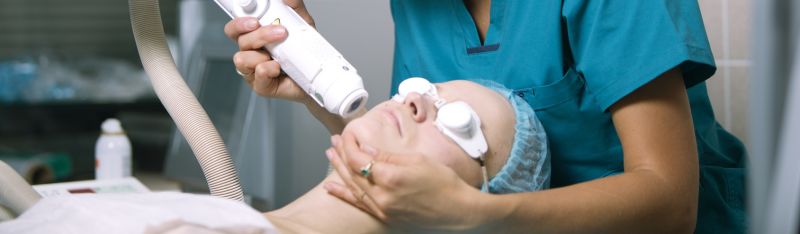
Laser therapy uses concentrated light energy to target and destroy the wart tissue, often by disrupting small blood vessels feeding the wart and causing tissue destruction. Laser treatment may be especially helpful for stubborn warts that have not responded to simpler methods or when precision is needed — for example warts on the face, neck or other sensitive areas. After a laser session you may experience a brief period of discomfort, swelling or mild skin discolouration, but many patients appreciate that the method is fast, precise, and often leaves little to no scarring when done properly.
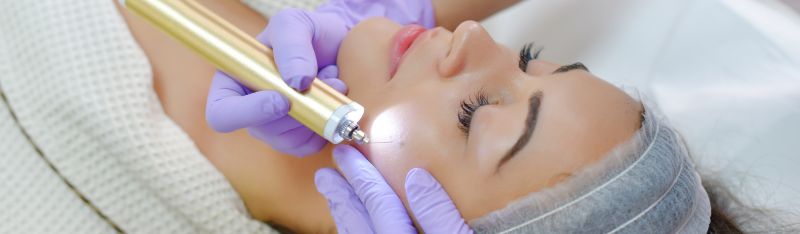
RF cautery or electrosurgery involves using an electric current or radiofrequency to burn away the wart tissue. This method can be effective, especially for warts that are flat, broad or located in areas where freezing or laser may be less ideal. The practitioner cauterises or burns the wart at its base, removing the abnormal tissue. Because this method can generate heat and minor tissue damage, careful aftercare is important to avoid infection, minimise scarring and support healthy healing.
In some cases for warts on very thick skin (for instance plantar warts on soles) or for warts that recur or resist other treatments, a combination of methods may be used or the treatment may take multiple sessions. The overarching aim is wart clearance, while preserving skin integrity, preventing recurrence, and ensuring the process is as safe and comfortable as possible.
What to Expect: The Welch Clinic Approach to Wart Removal
When you choose a reputable clinic that specialises in dermatology and laser treatments, you can expect a professional, patient-centred approach. First, a thorough consultation: the practitioner will examine the wart(s), assess medical history, skin type, lifestyle, and discuss treatment options suitable for your condition. This initial discussion helps set realistic expectations — both in terms of outcomes and healing process.
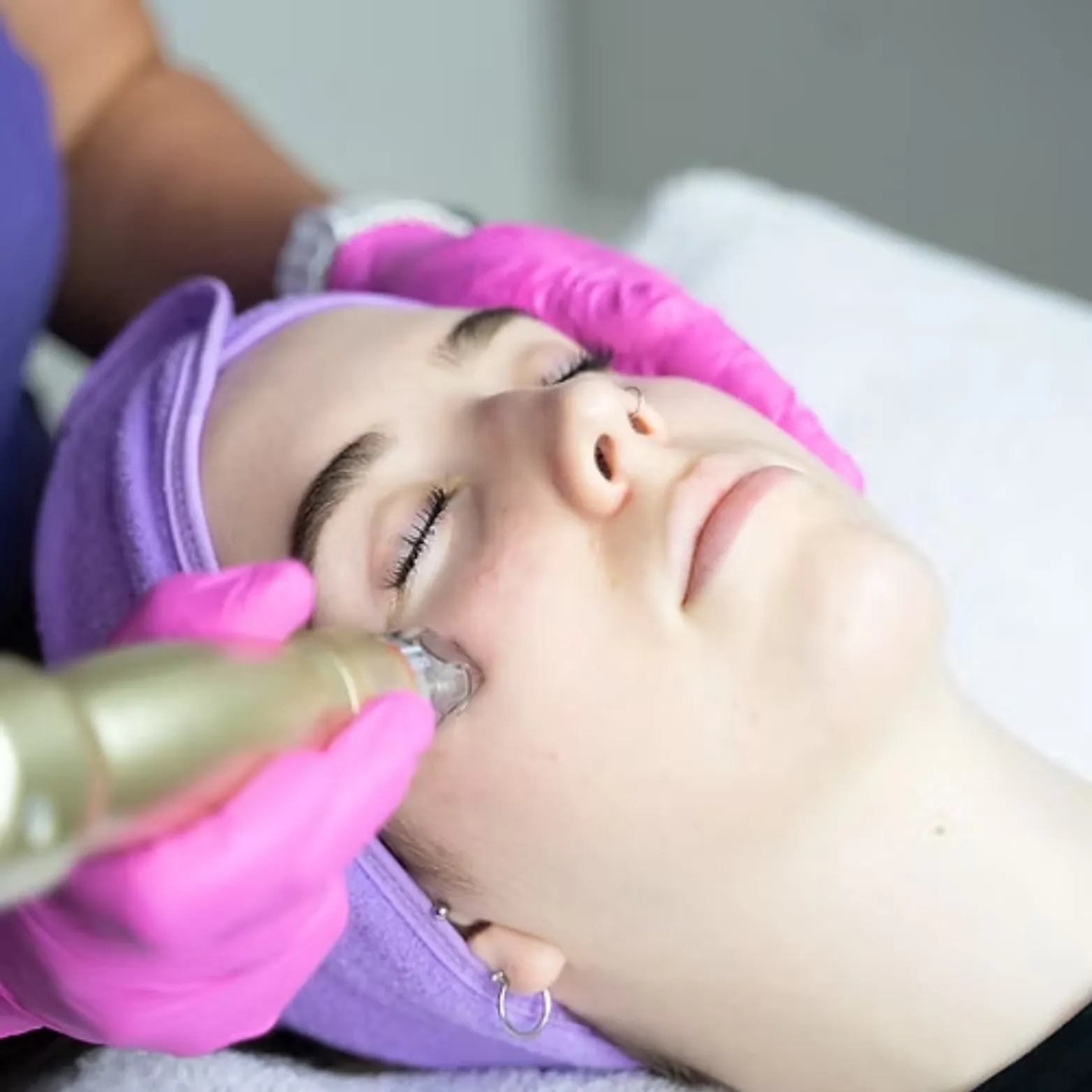
On the day of treatment, depending on the chosen method, you may receive a local numbing cream or local anaesthesia to ease discomfort. During cryotherapy or laser treatment, you may feel a brief sting, heat or cold sensation as the wart tissue is targeted. The session itself is often quick. After treatment, the area may feel tender or slightly swollen. Some discolouration or mild blistering is common, especially with cryotherapy or laser. Over the next few days to two weeks you may notice the wart darkening, a crust forming, and then gradually peeling off or shrinking as dead tissue is shed and healthy skin regenerates.
Aftercare is a crucial part of the recovery. The treated site should be kept clean, dry and protected. Avoid picking at crusts or blisters. Minimising friction, avoiding harsh chemicals or abrasive soaps, and protecting the area from excessive sun exposure or moisture helps prevent scarring and supports smooth healing. In many cases, full healing may take one to two weeks for smaller warts, though larger or deeply rooted warts may require more time or repeat sessions.
It is important to remember that removal does not guarantee permanent immunity from the virus that caused the wart. New warts may appear if the virus remains in the body or if skin-to-skin contact leads to reinfection. That is why some dermatologists recommend follow up skin checks, good hygiene, and avoiding direct contact with warts on others or shared surfaces — especially common in communal areas like pools, showers or gym floors.
Benefits of Professional Wart Removal and Why It Matters
Seeking professional wart removal offers several clear benefits compared with self-treatment or home remedies. First, effectiveness and speed. Professional methods such as cryotherapy, laser therapy or RF cautery generally achieve wart removal much faster than topical acids or home treatments. For stubborn or recurrent warts — including plantar warts on feet, flat warts on face or neck, or warts in cosmetically sensitive areas — the precision and power of clinic-based treatments offer better odds of success.
Second, lower risk of complications. When performed by trained practitioners in a sterile clinical environment, modern wart removal techniques minimise risk of infection, avoid unnecessary damage to surrounding healthy skin, and reduce chances of scarring. Skilled clinicians know how to adjust treatment based on skin type, wart position, and patient history to reduce side effects.
Third, improved comfort and patient experience. Professional treatments often involve numbing and are performed with care, reducing pain or discomfort compared with DIY or aggressive home remedies. Follow up support and aftercare advice are usually provided, helping healing go smoothly and reducing anxiety about results.
Fourth, a holistic approach. A good dermatology clinic does not only remove the wart. It assesses potential causes, considers skin health, and may give guidance on preventing recurrence — such as hygiene practices, avoiding shared damp surfaces, and strengthening skin resilience. This comprehensive approach aims for not just removal but long-term skin wellness.
Finally, the psychological benefit. Warts can cause embarrassment, self-consciousness or social discomfort, especially when visible on hands, face or neck. Removal under professional care can restore confidence, self-esteem, and a sense of normal skin appearance. That emotional benefit, though subtle, can significantly improve quality of life for many.
Risks, Limitations and When to Seek Medical Advice
Like any medical procedure, wart removal is not entirely risk free. Common side effects after treatment can include temporary redness, swelling, blistering or discomfort at the treated site. In rare cases, there may be a minor scar, temporary skin discolouration or a need for repeat sessions if the wart does not respond fully. If the wart is large, deeply rooted, or located in a sensitive area, complete removal may be more challenging and require more than one session.
There is also a chance of wart recurrence. Because the underlying virus may remain in the skin cells, new warts can appear either in the same spot or elsewhere. Reinfection is possible if skin-to-skin contact occurs with another wart or shared surfaces, especially in communal showers, pools or gyms. Maintaining good hygiene, avoiding shared damp surfaces and not picking at warts or treated areas helps reduce this risk.
In some cases self-treatment or over the counter remedies may work — especially for small, common warts — but these methods are often slow, inconsistent and sometimes painful. For warts on sensitive skin, warts that bleed, change appearance, cause pain, or persist for many months, professional evaluation is strongly recommended. Only a trained dermatologist or qualified professional can ensure the wart is properly diagnosed and treated safely.
If after treatment you notice increased pain, spreading of the wart, signs of infection like redness, pus or fever, or the wart changes in shape or colour, you should seek immediate medical attention. These symptoms may signal complications or misdiagnosis, and prompt care can prevent further issues.
Is Wart Removal Right For You: What To Consider
If you are thinking about wart removal, start with a careful self-assessment and ideally consult a qualified skin specialist. Consider whether the wart is causing you discomfort, pain, embarrassment or affecting your daily life. Smaller warts, or those in non-sensitive areas, might respond to gentle home treatment or observation because some warts disappear on their own over time. But if the wart is persistent, spreading, painful or located on visible or sensitive areas like face, hands or feet soles, professional removal is often the most reliable option.
Your overall skin health and medical history also matter. If you have a weakened immune system, diabetes, poor circulation, or skin conditions that affect healing, you should discuss these with your dermatologist before proceeding. Treatment may need to be adjusted, or in some cases you may be advised against certain techniques.
Expect some downtime after the procedure. While many can resume normal daily activities the same day or next, you should avoid activities that irritate the treated area or expose it to moisture, friction, or dirt until fully healed. Plan accordingly, especially if the wart is in a location exposed during work, sport or daily routine.
Finally, understand that wart removal does not guarantee forever-free skin. Good hygiene, skin care, and awareness of reinfection risk contribute significantly to long-term results. If you spend time in communal spaces or share surfaces, take precautions to minimise skin contact and keep your skin clean and dry.
Conclusion
Wart removal is more than a cosmetic choice. For many people, it means relief from discomfort and self-consciousness, and a return to smoother, clearer skin. Whether your wart is small and bothersome or stubborn and persistent, a modern dermatology and laser clinic offers safe, effective treatments with proven medical methods. By understanding what warts are, how they behave, and how various treatment options work, you can make an informed choice that matches your lifestyle, skin health and aesthetic priorities.
Professional wart removal is most effective when carried out by qualified specialists in a clinical environment, offering precision, safety and aftercare support. While there are mild risks and no absolute guarantee against recurrence, many patients appreciate the speed, effectiveness and skin-friendly results that modern treatments deliver. If you are considering wart removal, evaluate your situation carefully, consult a trusted skin professional and choose a treatment plan that balances effectiveness with comfort, safety and long-term skin health.