Stretch Mark Removal Service: Understanding Advanced Skin Regeneration for Smoother, Healthier Skin
27 August 2025
Stretch marks are a natural response to rapid changes in the body, yet they often feel far more permanent and noticeable than we would like. Many people develop them during pregnancy, growth phases, weight fluctuation or fitness changes. Over time they may fade, but they rarely disappear on their own. Although stretch marks are incredibly common, they can affect confidence, influence how comfortable someone feels in their own skin and even limit clothing choices. Because of this, many people look for safe, science backed ways to reduce their appearance. Modern stretch mark removal services now make it possible to transform skin quality through highly developed aesthetic treatments that work deeper than the surface.
This article explores everything you need to know about stretch marks and how stretch mark removal services support skin recovery. It covers what causes stretch marks, how to treat new and old marks, what results you can realistically expect, why advanced skin treatments work, how to support skin health at home and what to consider when choosing a clinic. The focus remains entirely educational and insight driven so that you can make a confident, informed choice about your skin.
What Stretch Marks Really Are and Why They Form
Stretch marks, also known as striae, are a type of scar that forms when the skin expands or contracts too quickly. The middle layer of the skin, where collagen and elastin fibres sit, is unable to stretch at the same rate as the rest of the body. As a result these supportive fibres tear. The surface of the skin remains unbroken but the damage underneath becomes visible as lines or streaks that vary in colour, depth and width.
In the early stages stretch marks tend to be red, pink or purple. At this point blood vessels are close to the skin’s surface which is why the marks appear darker. When they reach the mature stage they often become white or silvery. At this point the blood vessels have narrowed and the marks typically feel more textured. This shift shows that the skin has begun a long term healing process but it also signals that collagen has fundamentally changed within the dermis.
Stretch marks can appear anywhere the body experiences rapid change such as the abdomen, thighs, breasts, hips, buttocks, arms and lower back. They are incredibly common yet still misunderstood. Many people believe stretch marks form only due to pregnancy, yet they can appear during teenage growth, rapid weight fluctuation, intense fitness routines or hormonal change.
Although moisturisers and oils can support skin elasticity, they cannot reach deep enough to fully repair the structural changes within the dermis. This is why professional treatments that stimulate collagen production and support skin remodelling are often more effective. These deeper treatments target the core cause of stretch marks rather than just the surface appearance.
Understanding the structure and behaviour of stretch marks is the strongest foundation for choosing the right treatment. When you recognise that stretch marks are not surface level blemishes but deep structural scars, it becomes clear why advanced treatment methods are more successful in creating smoother and more refined skin.
How Modern Stretch Mark Removal Treatments Help Regenerate Skin
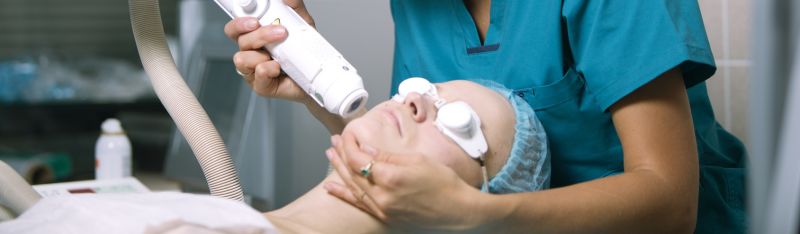
Modern stretch mark removal treatments work by stimulating controlled regeneration within the skin. Instead of masking the marks or working only at surface level, professional treatments reach deeper layers to encourage natural repair. Advanced clinics use a combination of techniques that promote collagen renewal, elastin production and dermal remodelling. These techniques include laser therapy, microneedling, skin tightening treatments, chemical resurfacing and regenerative therapies such as collagen induction procedures.
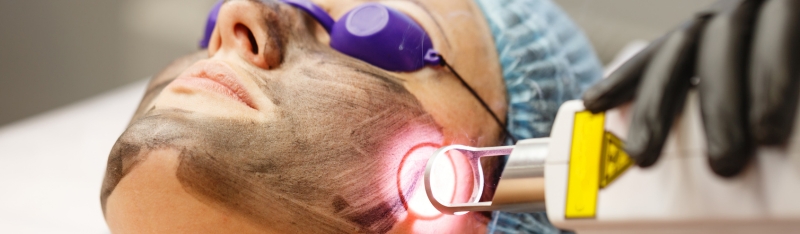
Laser therapy is widely recognised for its ability to stimulate natural collagen production. It works by sending targeted energy into the skin, which triggers a healing response that encourages the creation of new collagen fibres. Over time this smooths the texture of stretch marks and supports a more even skin tone. Different laser types exist and experienced clinics adjust the wavelength and depth based on the age of the stretch mark, the skin type and the area of the body being treated.
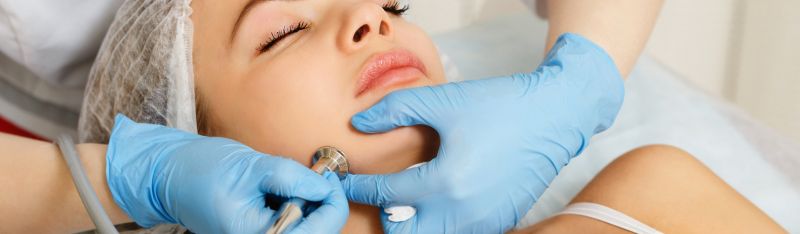
Microneedling is another highly effective method used to rejuvenate stretch marked skin. It involves tiny, controlled micro channels created across the area. This also works through controlled healing. The skin responds by producing more collagen and elastin to repair these micro channels. Over time the texture of the skin becomes more refined, and the depth and width of stretch marks often reduce noticeably. Microneedling is well known for its safety profile and compatibility with most skin types which is why it is a common choice for those hesitant about laser treatments.
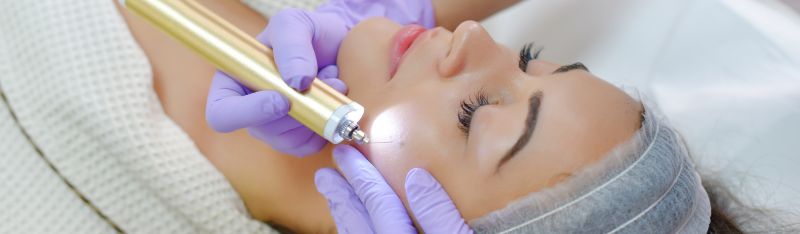
Skin tightening treatments use energy based technologies to stimulate collagen contraction and long term collagen building. These treatments strengthen the deeper structure of the skin and enhance firmness. When combined with microneedling or laser sessions, skin tightening can create more dramatic improvements in skin tone, smoothness and elasticity.
Chemical resurfacing can also be part of a stretch mark treatment plan. These gentle resurfacing treatments help renew the upper skin layers and improve skin brightness, softness and uniformity. While they cannot address deep dermal scarring on their own, they work well alongside regenerative methods that target structural repair.
Many high quality aesthetic clinics design treatment plans that combine two or more of these technologies. This is because stretch marks develop across multiple layers of skin, so a multi approach system often leads to the most visible improvements. By stimulating collagen from different angles the skin responds more strongly and consistently.
When treatments are delivered by skilled practitioners using medical grade equipment the improvements can be significant. Skin feels smoother, stretch marks become flatter, colour variations reduce and the treated area looks far more uniform. These treatments respect the natural biology of the skin and encourage the body to repair itself over time.
What Results You Can Expect and How Treatment Progress Works
Realistic expectations are essential when considering stretch mark removal. Stretch marks are scars, and scars rarely disappear completely. However they can fade substantially, become less noticeable and blend far more naturally with the surrounding skin. Many people experience visible improvement in texture, smoother skin, lighter pigmentation and much greater uniformity across the treated area.
Results depend on several factors including the age of the stretch marks, their depth, your skin type, your overall health and the treatment plan chosen. Newer stretch marks tend to respond more quickly because they contain more active blood flow and the collagen disruption is more recent. Older stretch marks may take longer to respond and may require more sessions, but modern treatments still offer meaningful improvement.
A typical treatment course involves several sessions spread across weeks or months. The reason for this is that skin needs time to rebuild collagen between treatments. Collagen production happens slowly and repeatedly stimulating the skin without allowing for recovery does not produce better results. Instead carefully spaced sessions are more effective and safer.
Many people begin noticing improvements within a few weeks although the most significant changes often appear gradually over several months. It is common for skin texture to become smoother first, followed by gradual fading of the stretch mark colour. Over time the marks often shift from visible scars to faint, softer lines that blend into the natural patterns of the skin.
A strong treatment plan includes assessment, treatment and aftercare. Professional clinics monitor progress carefully and adjust the approach if skin requires gentler treatment or responds particularly well. This level of care ensures that the skin receives the right balance of stimulation and protection.
Perhaps the most important thing to remember is that stretch mark removal is a journey. It works best with patience and consistency. While results are not instant, they are long lasting, especially when supported with good aftercare.
Supporting Skin Health at Home to Maximise Stretch Mark Improvement
Your daily skincare routine plays an important role in stretch mark improvement. Professional treatments stimulate deep changes but home care keeps the skin hydrated, comfortable and protected while it heals. Strong aftercare often leads to better results and can help maintain improvements long term.
Hydration is essential. Well hydrated skin is more elastic and more capable of rebuilding collagen. Daily use of gentle moisturisers free from harsh fragrances or strong acids can help maintain the skin barrier. Maintaining skin softness reduces surface tension, allowing the deeper collagen restructuring to work more effectively.
Sun protection matters greatly. Exposure to sunlight can darken stretch marks or cause uneven pigmentation. Shielding the treated area from sun exposure supports healing and helps ensure that colour changes fade rather than becoming more noticeable. Using sunscreen or keeping the skin covered during peak sunlight hours helps avoid unnecessary irritation or pigment disruption.
Healthy lifestyle habits also influence how well skin heals. A balanced diet rich in vitamins and minerals supports natural collagen production. Drinking enough water helps maintain hydration levels. Quality sleep allows the body to carry out healing processes. Managing stress supports skin regulation by reducing inflammation pathways that slow healing.
Avoiding sudden weight fluctuation helps protect your progress. Rapid stretching of the skin can undo improvements. Maintaining a stable body weight helps ensure that newly formed collagen fibres remain intact and supportive.
A professional practitioner may recommend additional home care products such as gentle serums, collagen supporting formulations or calming treatments designed to soothe and hydrate. Using these consistently helps maintain moisture, reduce irritation and support healing.
Good home care does not replace professional treatment but it greatly enhances the results. When combined, professional treatment and committed home care can transform the way stretch marks look and feel.
Choosing a Clinic and Why Professional Experience Matters
Stretch mark removal requires specialist understanding of skin structure, laser science and collagen behaviour. Choosing the right clinic ensures that treatments are safe, effective and suited to your skin. Aesthetic clinics with years of experience, medical grade equipment and professional training in laser and regenerative skin treatments offer the highest standards of care.
Expert level practitioners understand how to adapt treatment intensity based on skin tone, stretch mark age and sensitivity. They approach the skin with a careful balance of stimulation and protection. This reduces the risk of overtreatment and ensures comfortable healing.
A high quality clinic also provides a personalised consultation before treatments begin. During this assessment they examine your skin, discuss your goals and craft a treatment plan tailored to your needs. Personalised care leads to better results because every skin type responds differently.
Professional clinics also provide structured aftercare support. They help you understand how to care for your skin between sessions, what to expect at each stage of healing and how long the treatment journey may take. Clear communication builds confidence and helps you make informed decisions about your treatment plan.
The most reputable clinics prioritise long term skin health rather than short term improvement. They are transparent about what results can and cannot be achieved, and they aim to create natural looking improvement rather than unrealistic perfection.
Trust and safety should always guide your decision. A clinic that demonstrates expertise, consistency and respect for your goals creates the ideal environment for successful stretch mark reduction.
Conclusion
Stretch marks are a natural part of life but their appearance does not need to be permanent. Modern stretch mark removal services offer advanced methods to stimulate collagen, refine skin texture and promote long term regeneration. Through professional treatments such as laser therapy, microneedling, chemical resurfacing and skin tightening, it is possible to significantly reduce the visibility of stretch marks and improve overall skin appearance.
The journey requires patience, understanding and realistic expectations. Stretch marks may not disappear entirely, but they can fade dramatically and blend much more naturally with surrounding skin. This leads to smoother texture, healthier tone and greater confidence in your appearance.
Choosing the right clinic, following a personalised treatment plan and committing to good aftercare are the keys to achieving the best results. With expert support, consistent care and a thoughtful approach to skin health, stretch mark removal can be a positive and transformative experience.