Post Tattoo Removal Revitalisation Package: How to Support Healthy Skin After Tattoo Removal
22 August 2025
Undergoing tattoo removal is often the start of a skin healing journey. Once the ink has been broken up by a laser, your skin needs careful post-treatment care to heal properly, avoid pigmentation or scarring, and restore its natural texture and glow. A post tattoo removal revitalisation package offers structured aftercare that supports healing, balances skin tone and helps the skin recover fully. In this article, we explore why post-tattoo removal care matters, what an effective revitalisation programme can include, the realistic healing timeline, how to support skin recovery at home, and what to expect if you choose such a package after laser tattoo removal.
Why Post Tattoo Removal Aftercare Is Crucial
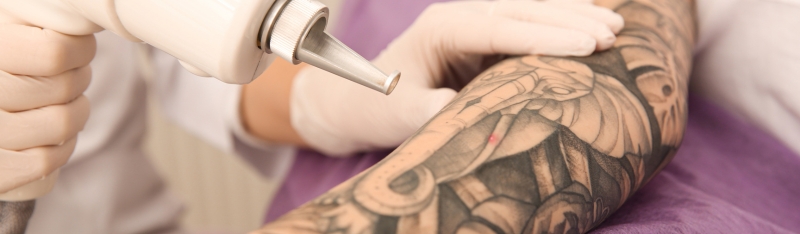
When you undergo laser tattoo removal, the laser energy fragments the tattoo ink particles under your skin. Over successive sessions, your body gradually clears away these particles. But the process is more than just pigment breakdown. Laser treatment affects not only the ink-containing layer but also the surrounding skin tissue. Temporary redness, swelling, mild crusting, dryness or sensitivity are common after each session. Without proper aftercare, these reactions can lead to uneven skin tone, prolonged irritation, scars or pigmentation changes. Clinical studies report that many patients experience local reactions such as redness, crusting or skin texture changes after laser tattoo removal. In some cases the healing can be slower if aftercare is inadequate.
Good aftercare supports the skin’s natural healing mechanisms. It helps maintain the moisture barrier, reduces inflammation, and encourages regeneration of healthy skin tissue. Particularly after multiple sessions when your skin may be repeatedly stressed, structured aftercare helps minimise downtime, improves comfort, and supports a smoother, healthier recovery.
Given these risks and challenges, a dedicated post-tattoo removal revitalisation package can make a significant difference. Rather than simply leaving healing to time, such a package provides targeted treatments to hydrate, soothe and rejuvenate treated skin. This is especially important when the removal involves large tattoos, multiple sessions or dense ink, or when the skin is prone to sensitivity or pigmentation issues.
What a Post Tattoo Removal Revitalisation Package Typically Includes
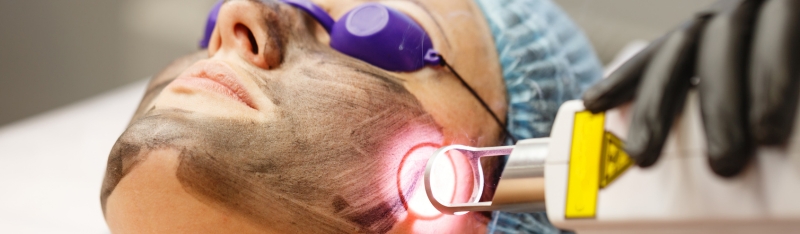
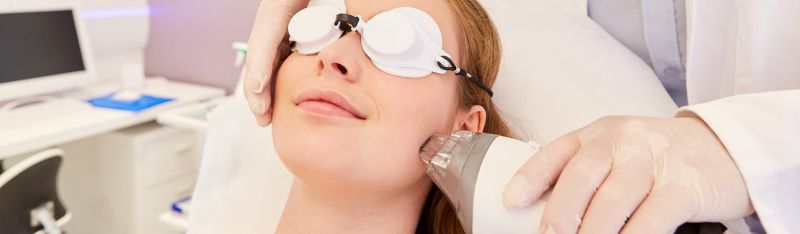
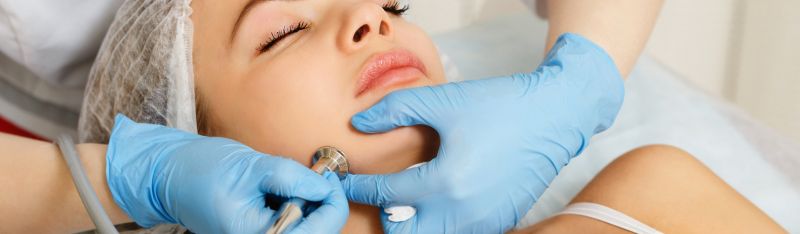
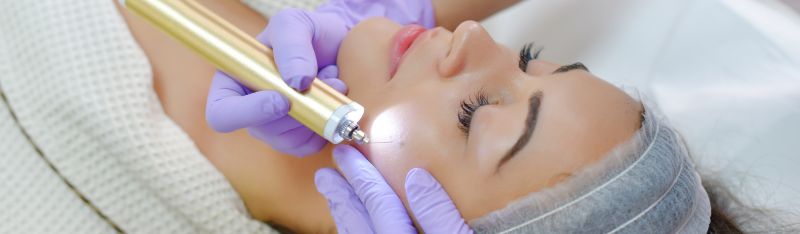
A well-designed revitalisation package after laser tattoo removal often includes several elements to support skin recovery. Hydrating serums containing moisturising substances like hyaluronic acid help restore hydration and support the skin barrier. Cooling and calming gel masks soothe inflammation and reduce irritation after laser sessions. Light-based therapies such as red light or LED treatment may be used to stimulate skin repair, improve circulation, and support collagen regeneration—helping skin regain elasticity and uniform tone. Some packages offer topical antioxidant or skin-repair creams to help neutralise free radicals and support skin healing. In some cases scar prevention creams or gentle barrier creams are included to reduce the risk of textural changes or unnecessary scarring during the healing phase.
When these elements are combined and administered under professional supervision, the benefit can be substantial. The skin is gently supported as it regenerates, hydration is restored, inflammation is kept under control, and pigmentary changes are minimised. Rather than leaving healing entirely to chance, you give your skin the best possible environment to recover cleanly and healthily.
The value of such a package becomes particularly clear when you consider that a reputable aesthetic clinic offers these treatments as part of a structured aftercare programme. Experienced clinics know the risks of poor post-laser care and build protocols that help ensure optimal healing and best possible appearance of skin.
What to Expect During the Healing Process After Laser Tattoo Removal
After your laser tattoo removal session, it is normal for your skin to look and feel different. Immediately you may notice redness, mild swelling or warmth around the treated area. The pigment fragmentation may cause tiny skin bubbles or white discolouration at the surface. Over the next few days the skin may feel dry, tight or sensitive. Within a week or two a light crust or scab may form where the ink was concentrated. That crust gradually sloughs off, carrying ink particles with it. Over the next several weeks pigment fade becomes noticeable. Your skin may gradually return to a more even tone, though healing time depends on ink depth, original tattoo colour and your skin’s natural response.
During this period the skin is particularly vulnerable. It is important to avoid direct sun exposure, tanning beds or harsh chemicals on the treated area. Sunlight can lead to pigmentation changes or darkening of the area. You should also avoid picking scabs or using abrasive scrubs that can irritate healing skin. Instead gentle cleansing, moisturising and careful hydration help the skin repair.
If you have a structured aftercare plan or revitalisation package, the treatments it provides can significantly improve comfort and recovery. Regular hydrating therapies help with dryness, calming masks reduce inflammation, and LED or red light therapy may support new collagen formation and skin texture regeneration. Over successive weeks you may notice your skin becoming softer, smoother and more even in tone than it would have without aftercare.
It is important to remember that tattoo removal is a process not a one-time event. Multiple laser sessions may be needed, and between each session your skin needs time to heal. A comprehensive aftercare plan makes those intervals safer and more comfortable.
How to Support Skin Health at Home After Tattoo Removal
Whether or not you choose a formal revitalisation package, your after-laser skin care routine and lifestyle habits make a big difference. First, keep the treated area clean using a gentle cleanser, avoiding harsh soaps or chemical-heavy products that may irritate sensitive, healing skin. Moisturise regularly using a gentle, fragrance-free moisturiser or soothing gel to maintain hydration and support the skin barrier. Avoid picking or scratching at scabs or areas of peeling skin as this can increase risk of scarring or pigmentation problems.
Sun protection is essential. The treated skin will remain more sensitive to UV exposure for several weeks. Use a broad spectrum sunscreen with adequate SPF whenever the area may be exposed to sunlight, even on cloudy days. Avoid tanning, sun beds or prolonged time outside without protection.
Refrain from waxing, shaving with abrasive blades, or using depilatories on treated areas until the skin is fully healed. Also avoid hot baths, harsh exfoliation, strong chemicals or perfumed products in the area, as these might disturb healing.
Support skin recovery from within. Maintain a healthy diet rich in vitamins, antioxidants and hydration. A balanced diet, good sleep and stress management support your body’s healing processes.
If possible, follow professional aftercare instructions provided by your clinician. They may recommend gentle topical ointments, barrier creams or antioxidant-rich serums. If any signs of excessive redness, prolonged irritation, unusual pain or pigmentation change appear, consult a qualified professional for evaluation rather than attempting home remedies.
Realistic Outcomes and What Revitalisation Can Achieve
A post tattoo removal revitalisation package cannot guarantee perfection. Every person’s skin responds differently depending on factors such as age, skin type, ink depth, tattoo colour, and number of laser sessions. Some tattoos fade more easily than others; some heal quickly, others more slowly.
What you can realistically expect is better, smoother healing with less discomfort, reduced likelihood of uneven skin tone or scars, and a more comfortable recovery period. You increase the chances of skin returning to natural tone and texture, and maintain healthier skin barrier function throughout the treatment. With consistent aftercare and, if recommended, periodic maintenance, many people find that their skin looks and feels far more natural and uniform than immediately after laser removal.
That said, it is important to maintain reasonable expectations. Complete erasure of pigment does not equate to absence of any skin history or guarantee identical skin to pre-tattoo condition. In some cases minor residual marks, faint outlines or subtle textural changes may remain. A good revitalisation programme does not promise miraculous results—but gives your skin the best possible environment to heal well and look its healthiest.
Why Choosing a Specialist Clinic Matters
When you opt for laser tattoo removal, the choice of clinic plays a central role not only in the effectiveness of ink removal but also in how well your skin recovers. Experienced and reputable clinics understand that removal and aftercare go hand in hand. Clinics that offer advanced laser options such as picosecond lasers or Q-switched systems for removal often complement this by providing dedicated after-treatment care packs for healing and skin recovery.
A specialist aesthetic clinic staffed by trained practitioners ensures that laser settings are appropriate for your skin type, that aftercare protocols are tailored to your skin response, and that you are given clear advice on how to support healing at home. This level of care reduces risks of pigmentation, scarring or uneven skin tone. It also ensures that the treatment journey is safe, informed and client-centred.
For those who undergo removal of large or coloured tattoos, or multiple sessions, such comprehensive care becomes even more valuable. It shows a commitment to treating not just the tattoo, but skin health as a whole.
Conclusion
Post tattoo removal is a time of transformation—not only in terms of fading ink but in restoring and renewing your skin. A revitalisation package after laser tattoo removal offers structured, professional aftercare aimed at speeding up healing, reducing irritation and inflammation, maintaining hydration, and helping skin recover to a natural, even tone. For many it offers comfort, confidence and peace of mind during a vulnerable period for skin.
While no after-treatment can guarantee perfect skin restoration, combining professional aftercare, sensible home care, sun protection, gentle skin maintenance and a healthy lifestyle gives you the best possible chance of smooth, healthy skin after tattoo removal. If you have recently removed a tattoo or are considering removal, thinking ahead about aftercare is as important as the removal itself.
Remember that healing takes time, patience and care. But with the right approach—including professional revitalisation support and careful skin habit—your skin can look healthy, calm and rejuvenated long after the ink fades.