Lip Fillers Treatment: What You Need to Know for Natural, Confident Results
11 November 2025
Deciding to enhance your lips can come from many places. Perhaps you want fuller lips because age has thinned them. Maybe your lips are naturally fine and you want more definition. Or you might wish to correct slight asymmetry or gently refresh your appearance without going for a major cosmetic surgery. Whatever your reason, lip fillers are a popular option for lip enhancement, and understanding exactly how they work, what to expect and how to manage aftercare is essential before choosing this path. In this article, we explore lip fillers treatment in depth: what lip fillers are, how they work, who is a suitable candidate, what to expect before and after treatment, key benefits, potential risks, and how to ensure the safest, most natural looking result. This is a clear, expert-guided resource to help anyone thinking about lip fillers make an informed and confident decision.
What Are Lip Fillers and How Do They Work
Lip fillers are a form of dermal filler specifically used to enhance the shape, volume, and symmetry of lips. These treatments are non-surgical and rely on injecting a gel-like substance beneath the skin of the lips to create fullness, definition and improved contour. Most lip fillers use hyaluronic acid (HA), a naturally occurring substance in the body that helps tissues retain moisture and volume. Because HA is biocompatible, it integrates with the existing tissue in the lips, producing results that feel soft and natural rather than stiff or fake. Many medical professionals consider HA fillers the gold standard for lip augmentation thanks to their safety and reversibility.
When lip fillers are injected, the filler material occupies space under the skin so that the lips appear plumper. This added volume can smooth fine lines, restore lost fullness due to ageing, correct slight asymmetry, and define the lip border for a more defined shape. The process is relatively quick, often taking between 20 and 30 minutes under local anaesthetic in a licensed aesthetic clinic run by trained practitioners. Most people report only mild discomfort. Because the lips remain flexible, facial expressions and natural movement are preserved, giving a natural look rather than an overfilled appearance.
A major reason lip fillers are popular is that they are reversible. If the result does not meet expectations or if complications arise, an enzyme can be administered to dissolve hyaluronic acid fillers. This reversibility gives many people peace of mind and flexibility, compared with permanent surgical options or more invasive procedures.
Why Many People Choose Lip Fillers: The Benefits of Lip Enhancement
Lip fillers offer several clear advantages that explain their wide appeal. For one, they provide a subtle but effective way to restore youthful volume to thinning lips or to augment naturally fine lips. As lips age, they often lose fullness and moisture. Hyaluronic acid fillers not only add volume, but also attract and bind water molecules, helping lips stay hydrated and look fresh. This dual effect of volume plus hydration helps lips appear softer, smoother and more youthful—not overdone or synthetic.
Moreover, lip fillers allow for fine tuning of shape and symmetry. A skilled practitioner can refine the lip border, restore evenness between upper and lower lips, correct slight asymmetry, and enhance definition in a way that complements a person’s natural facial proportions. Because the amount of filler can be customised, the results can be subtle or more dramatic depending on the individual’s goals. This flexibility is one of the reasons why lip augmentation remains one of the most requested cosmetic services worldwide.
Another advantage is minimal downtime. Unlike surgical procedures, lip fillers require only a short appointment and you can return to most daily activities almost immediately. Minor swelling or bruising may occur, but serious complications are rare when the procedure is performed correctly by trained professionals. And because lip fillers are reversible, there is a sense of security: if you are not fully happy with the outcome, adjustments can often be made.
Finally, many people note a boost in confidence. Feeling more comfortable with one’s appearance can have a positive effect on self-esteem and social interactions. For those who have been self-conscious about thin lips or facial balance, lip fillers often deliver a subtle enhancement that aligns with personal aesthetic preferences without altering overall facial identity.
What to Expect: Before, During and After Lip Filler Treatment
Deciding to go ahead with lip fillers involves several stages: initial consultation, treatment planning, the procedure itself, and aftercare. Before anything happens, a qualified practitioner will take time to understand your goals, examine your facial structure and discuss what kind of result is realistic. You will also be asked about your medical history, any allergies or previous reactions to fillers, and your expectations. This consultation is a vital step to ensure that lip fillers are appropriate for you.
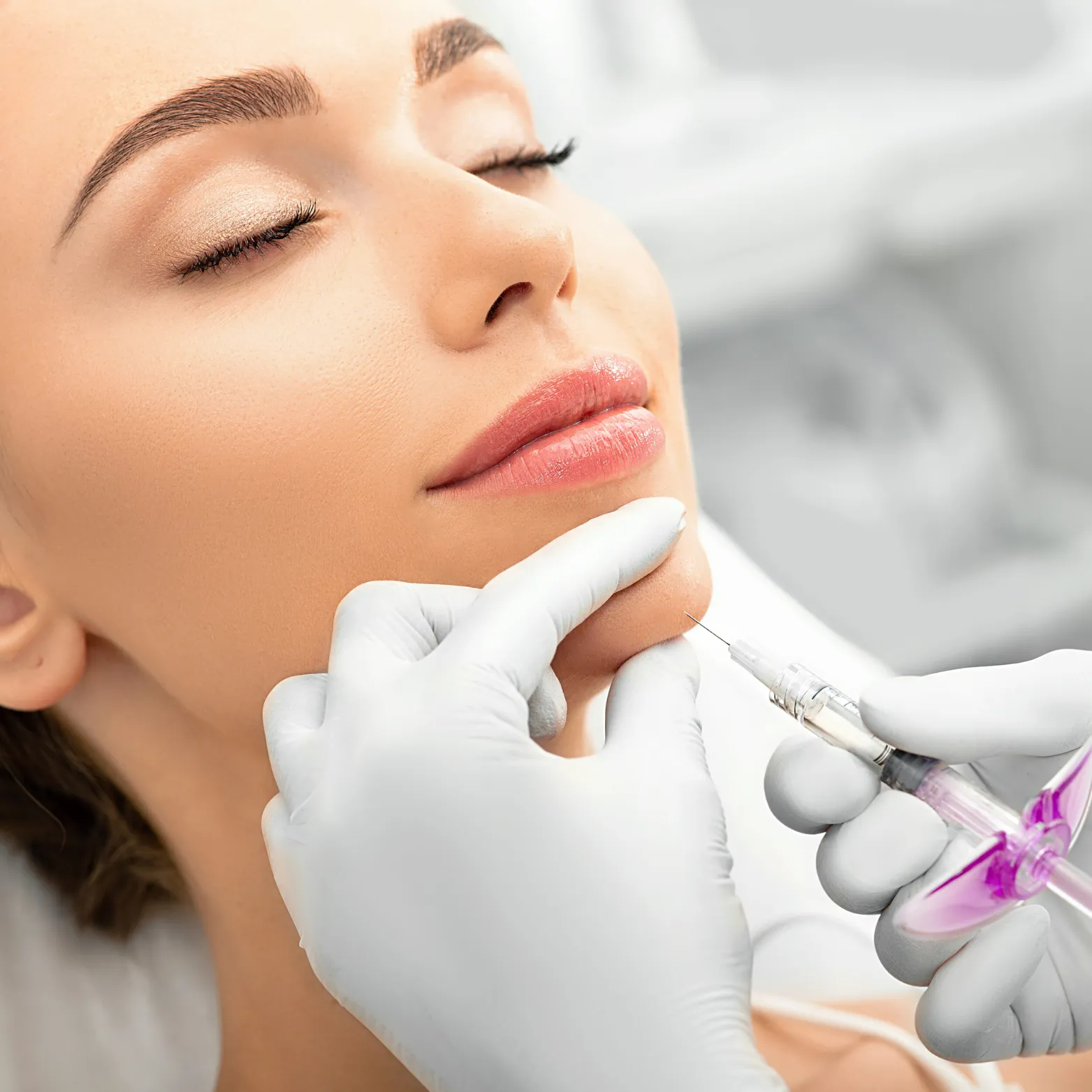
On the day of treatment you may be given a topical numbing cream or local anaesthetic to make the injection comfortable. The practitioner will use fine needles or a cannula to inject small amounts of hyaluronic acid filler into specific areas of the lips, targeting volume, border definition or symmetry corrections as discussed during consultation. The entire session usually lasts around 20 to 30 minutes, and you can typically go home the same day. Immediately afterwards your lips may feel full, slightly tender or numb, and some swelling is common. You might see instant volume, but this is often enhanced by swelling and will subside somewhat over the next few days.
After treatment, proper aftercare is important for healing and to achieve the best possible result. Mild swelling or bruising is common in the first 24 to 48 hours, and in many cases becomes much less noticeable after a few days. Avoiding activities that increase blood flow—such as strenuous exercise, sauna, steam rooms, excessive sun exposure or hot showers—for at least 24 to 48 hours helps minimise swelling and bruising. It is also advised to avoid pressing, massaging or otherwise putting pressure on your lips, including refraining from kissing, smoking, drinking with a straw or using lipsticks that might irritate the injection site. Hydration, gentle care, and a healthy recovery environment support natural healing. Many practitioners recommend sleeping with your head slightly elevated for the first night to reduce swelling.
Within two to four weeks the filler will settle fully as your tissues adapt; this is when the final shape becomes clear and you can assess whether further adjustments are required. Results usually last between six and twelve months depending on the filler used and how your body metabolises it. Over time the filler will gradually be reabsorbed by the body, and lips will return to their pre-treatment volume unless you opt for a top-up session.
Understanding the Risks and How to Minimise Them
Just like any cosmetic intervention, lip fillers come with potential risks and it is important to understand them before going ahead. The most common side effects are mild and temporary: swelling, bruising, redness or tenderness at the injection sites. These typically subside within a few days with proper aftercare. Less common but more serious risks may include unevenness or lumpiness, filler migration, allergic reaction, infection or, in rare cases, vascular compromise if the filler is inadvertently injected into or near a blood vessel. Vascular occlusion can lead to tissue damage and requires immediate professional attention.
Choosing an experienced, qualified practitioner is the single most important factor for reducing risk. The injector should have strong training, deep knowledge of lip anatomy and use sterile technique with approved filler products. Avoid low-cost providers or unregulated “pop-up” clinics. Also avoid so-called needle-free devices or DIY “lip plumping” tools sold online, which are not approved for safe filler injections and pose serious risks including infection and tissue damage.
It is equally important to follow aftercare instructions carefully. That means not smoking or drinking alcohol for at least 24 hours post-treatment, refraining from strenuous exercise, avoiding lip products such as lipstick or gloss for the first day, and not applying unneeded pressure on the lips. For those with a history of cold sores, a filler injection can trigger a recurrence, so you should inform the practitioner beforehand. If any signs of persistent pain, unusual swelling, unevenness or discolouration appear after the first few days, contact your provider immediately.
In people with certain medical conditions—such as bleeding disorders, uncontrolled health issues or active skin infections around the lips—lip fillers may not be recommended. Many medical authorities emphasise that dermal fillers are not suitable for everyone and a medical history review is necessary before injecting.
Is Lip Filler Right for You? What to Consider
Determining whether lip filler is the right choice involves thinking carefully about your aesthetic goals, your lifestyle, and your comfort with the process. First ask yourself what you hope to achieve. Are you seeking a subtle enhancement — a bit more volume, smoother lips, mild definition — or are you looking for dramatic fullness or a bold new look? For subtle, natural-looking results, hyaluronic acid fillers are often ideal. They offer flexibility, hydration, and a reversible option.
You should also consider timing. Because lips may swell or bruise, you might want to avoid scheduling filler treatment right before an important event. Allow at least two to three weeks for full settling and healing before assessing the final outcome, or before a big social event. Be realistic about maintenance. Because fillers wear off gradually, you may need top-up treatments every six to twelve months to maintain results.
It is also important to have honest expectations and avoid the pressure of achieving “perfect” lips. Natural facial harmony matters — your lips should complement your facial features rather than overshadow them. A skilled practitioner will help you set realistic expectations during consultation and advise if lip fillers are suitable or if alternate treatments may better match your goals.
Finally, ensure you are comfortable with aftercare and possible side effects. If you travel frequently, have a busy schedule, or take certain medications, these factors may influence whether lip fillers are the right choice at this time.
The Importance of Expert Care, Safety and Responsible Choices
Because lip fillers involve injecting a foreign substance beneath the skin, safety and expert care must be top priority. The clinic you choose should be reputable, medically certified, and run by trained professionals who follow strict hygiene protocols. The aesthetic provider should explain benefits and risks, offer a detailed consultation, accept questions, check medical history and allergies, advise on aftercare, and provide a follow-up plan. This ensures not only optimal aesthetic results, but also minimises risk of complications.
Be cautious about bargain basement prices or clinics that offer lip fillers in non-medical settings or with unverified products. Ask for information about what type of filler will be used, whether the product is approved for cosmetic injections, and whether the practitioner has proper qualifications. Also ensure that there is a clear plan for aftercare and emergency procedures if needed.
If you ever feel uncertain or notice unwanted effects, do not hesitate to seek professional medical advice. Some filler problems can be corrected or reversed, especially when hyaluronic acid fillers are used. But prevention through smart planning, qualified care and careful aftercare remains the best approach.
Conclusion
Lip fillers offer a flexible, effective, and minimally invasive way to enhance lip volume, shape, symmetry and definition. For many people they provide a subtle enhancement that helps them feel more confident and youthful, without altering their natural facial identity. By choosing hyaluronic acid-based fillers administered by experienced professionals, you gain access to reversible, customisable results with minimal downtime.
At the same time it is vital to approach lip fillers with realistic expectations, clear understanding of potential risks and a commitment to proper aftercare. A thoughtful consultation, careful planning, and informed decision-making all contribute to a safe and satisfying outcome. Lip filler treatment is not just about achieving fuller lips. It is about enhancing your features gracefully, safely and in harmony with your facial structure.
If you are considering lip fillers explore your options thoroughly — consider your personal goals, ask questions, assess timing and aftercare commitments and trust certified professionals for the best results. With knowledge, caution and care lip fillers can be a natural, empowering step towards the look you desire.