Double Chin Treatment: Understanding Non-Surgical Solutions for a Defined Jawline
13 October 2025
If you are troubled by a soft or rounded jawline or a layer of fat under your chin that does not respond to diet or exercise you are not alone. Many individuals find that despite maintaining a healthy lifestyle they continue to notice extra fullness beneath the chin when they look in the mirror. In this blog I explain in clear, gentle language what causes a double chin, why it often resists conventional weight-loss efforts, what non-surgical treatment options exist today, and how to approach the decision in an informed, realistic way. The aim here is to provide guidance and clarity rather than to sell — so you may feel confident exploring what feels right for you.
Why a double chin appears and why it may not go away easily
A “double chin” is more than just an extra bit of fat — it is a result of submental fat accumulation and sometimes loss of skin tone or structural support under the chin. Medical experts describe it as submental fat. This condition can arise for a number of reasons. Genetic predisposition plays a role and so do changes in our body as we age. Even if you follow a balanced diet and maintain regular exercise, fat beneath the chin often proves stubborn and resistant. Weight gain can worsen it but weight loss does not always reverse it. That is because fat stored under the chin may come from deeper fat compartments or be reinforced by weakened skin elasticity and tissue support.
Many people also find that ageing and reduced collagen or skin tone make the area beneath the chin less firm. Over time the neck skin may lose tightness, leading to sagging or softness that accentuates the appearance of a double chin. Simple lifestyle measures such as improved diet or more physical activity may not sufficiently address the core causes: stubborn submental fat and loosening skin structure. While maintaining a healthy weight is always helpful for overall health, it may not fully eliminate a double chin for those whose fat deposits are localised and persistent.
For this reason non-surgical aesthetic treatments are increasingly popular. They offer targeted solutions for the chin and jawline area without the risks and downtime associated with surgery. It is also noteworthy that non-surgical methods address fat reduction and sometimes skin tightening in a focused way rather than attempting a whole-body weight transformation. These treatments can help refine jawline definition and profile balance with minimal disruption to everyday life.
What non-surgical treatments are available today and how they work
Thanks to advances in aesthetic medicine there are several credible, clinically studied non-surgical treatments for a double chin. These range from fat dissolution injections, fat freezing, radiofrequency or ultrasound skin tightening, to laser-assisted fat reduction. Each approach has its own method and benefits.
One common option is fat-dissolving injections. These injections target submental fat under the chin and work by breaking down fat cells so that the body naturally eliminates them over time. This can reduce visible chin fat and improve jawline definition without the need for incisions or lengthy recovery. Another well-known method is fat freezing, often referred to by the branded name of a treatment that uses controlled cooling (cryolipolysis). In this case a small applicator is placed under the chin area, cooling targeted fat cells until they are damaged and later naturally flushed out by the body. This process can gradually reshape the chin profile without surgery, needles, or general anaesthesia.
In addition to fat-targeting methods some treatments focus on improving skin firmness and tissue tone. Radiofrequency (RF) or ultrasound-based skin-tightening therapies can stimulate collagen production under the chin and neck, helping the skin become firmer and thereby supporting a more defined jawline. There are also combined or hybrid treatments which both reduce fat and encourage skin tightening for a more balanced, youthful contour.
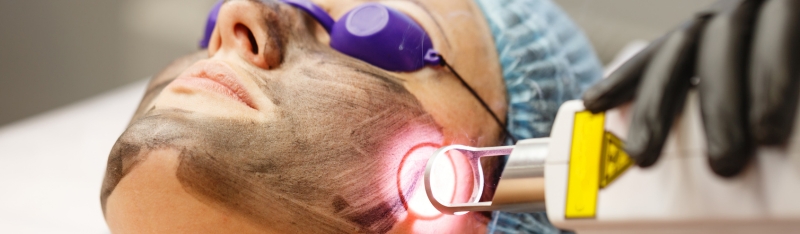
One specialised option offered by experienced clinics is laser-assisted lipolysis. This method uses precise laser energy to liquefy fat cells which are then naturally removed or gently suctioned by the body, often with less downtime than traditional liposuction. Because it also stimulates collagen production, laser lipolysis can improve both fat reduction and skin firmness, making it useful for stubborn double chin fat even when the skin lacks elasticity.
Each of these approaches has been developed to be as safe and effective as possible when performed by trained professionals. They offer alternatives for people who prefer to avoid surgical procedures but want tangible improvement in their chin and jawline appearance.
What to expect: realistic results, limitations and what matters most
It is important to have realistic expectations before opting for any double chin treatment. Non-surgical methods do not offer a dramatic overnight transformation. Instead they aim for gradual, natural-looking improvement in chin contour and jawline definition. For many people, visible difference becomes apparent over weeks to months as the body processes and eliminates treated fat cells or remodels skin tissue.
Fat-dissolving injections or fat-freezing applicators typically require more than one session to achieve the desired level of fat reduction. The final result depends on the amount of submental fat, skin elasticity, and individual response. Because fat cells are destroyed rather than just compressed, the results tend to be lasting in the treated area — though future weight gain or lifestyle changes may lead to fat accumulating in other regions.
If skin laxity is part of the concern (for example due to age or previous weight loss), pure fat reduction alone may not fully restore a sharp jawline. In such cases combining fat-reduction with skin-tightening or collagen-stimulating treatments may yield more balanced outcomes. However even combined treatments cannot replicate the dramatic skin tightening that surgical neck-lift procedures might offer.
It is also important to understand that the success of any treatment depends on expertise and technique. The best outcomes come when a qualified practitioner assesses your case, takes into account bone structure, skin elasticity, fat distribution and overall goals, then recommends the appropriate course. A responsible practitioner will also explain that no treatment can guarantee perfection and that realistic, subtle enhancement is the objective.
How to decide which treatment approach suits you and what to discuss with a practitioner
If you are considering reducing a double chin you may begin by evaluating what bothers you most: Is it excess fat under the chin, sagging skin, lack of jawline definition, or a combination of these? The answer to this question will influence the most suitable treatment path.
If your main concern is stubborn fat that does not respond to diet and exercise, non-surgical fat reduction methods — fat freezing, fat dissolving injections, or laser-assisted lipolysis — may offer a good balance between effectiveness and minimal recovery. If skin laxity or loose tissue is also a concern, consider combining fat-reduction with skin-tightening procedures such as RF or ultrasound treatments to encourage collagen production and firmer skin.
When you consult an experienced practitioner, make sure to ask a few key questions: What type of fat is being targeted (subcutaneous, submental)? How much fat reduction can realistically be achieved in your case? Can skin tone or skin laxity be addressed simultaneously? What number of sessions is likely required? What is the expected downtime and possible side effects? What are the costs and how are they structured? A clinic that values patient safety and transparent communication will walk you through these aspects clearly.
Also think about long-term support: A stable, healthy lifestyle helps maintain results. This includes balanced nutrition, regular physical activity, good hydration, and a skin care routine. While non-surgical treatments can permanently remove fat cells from certain areas, they cannot stop new fat accumulation if the overall body gains weight.
Conclusion: balanced perspective on options for double chin reduction
A double chin can be a persistent source of self-consciousness even for people who diligently watch their diet or keep fit. The extra fat under the chin or gradual loss of skin tone with age often resists lifestyle changes alone. Non-surgical aesthetic treatments offer thoughtful, evidence-based options for those seeking a refined jawline without surgery, long downtime or scars.
By considering fat-reducing techniques such as fat-dissolving injections, fat freezing using cryolipolysis, or laser-assisted lipolysis, combined where appropriate with skin-tightening treatments like radiofrequency or ultrasound, many people can achieve a more sculpted chin profile over time. The process requires realistic expectations, occasional multiple sessions, and a commitment to maintaining a stable lifestyle for long-lasting results.
Ultimately the best approach is one guided by an experienced, qualified practitioner who can assess your unique shape, skin condition and goals. A careful, personalised plan aligned with your expectations will always deliver safer, more natural-looking and more satisfying results than a one-size-fits-all solution.