Cellulite on Thighs and Buttocks: What You Should Know
20 October 2025
Cellulite — those dimples or lumps on the thighs, hips, buttocks and sometimes abdomen — is something many people worry about. It is usually not a serious health issue but it can be a persistent concern affecting confidence and how you feel in your skin. This article looks at what cellulite really is, why it happens, how you can manage its appearance, and what modern non-surgical treatments aim to achieve — especially in the thighs and buttocks region. The aim is to help you understand your skin and options clearly rather than push for any particular treatment.
Understanding Cellulite: Causes, Why It Happens
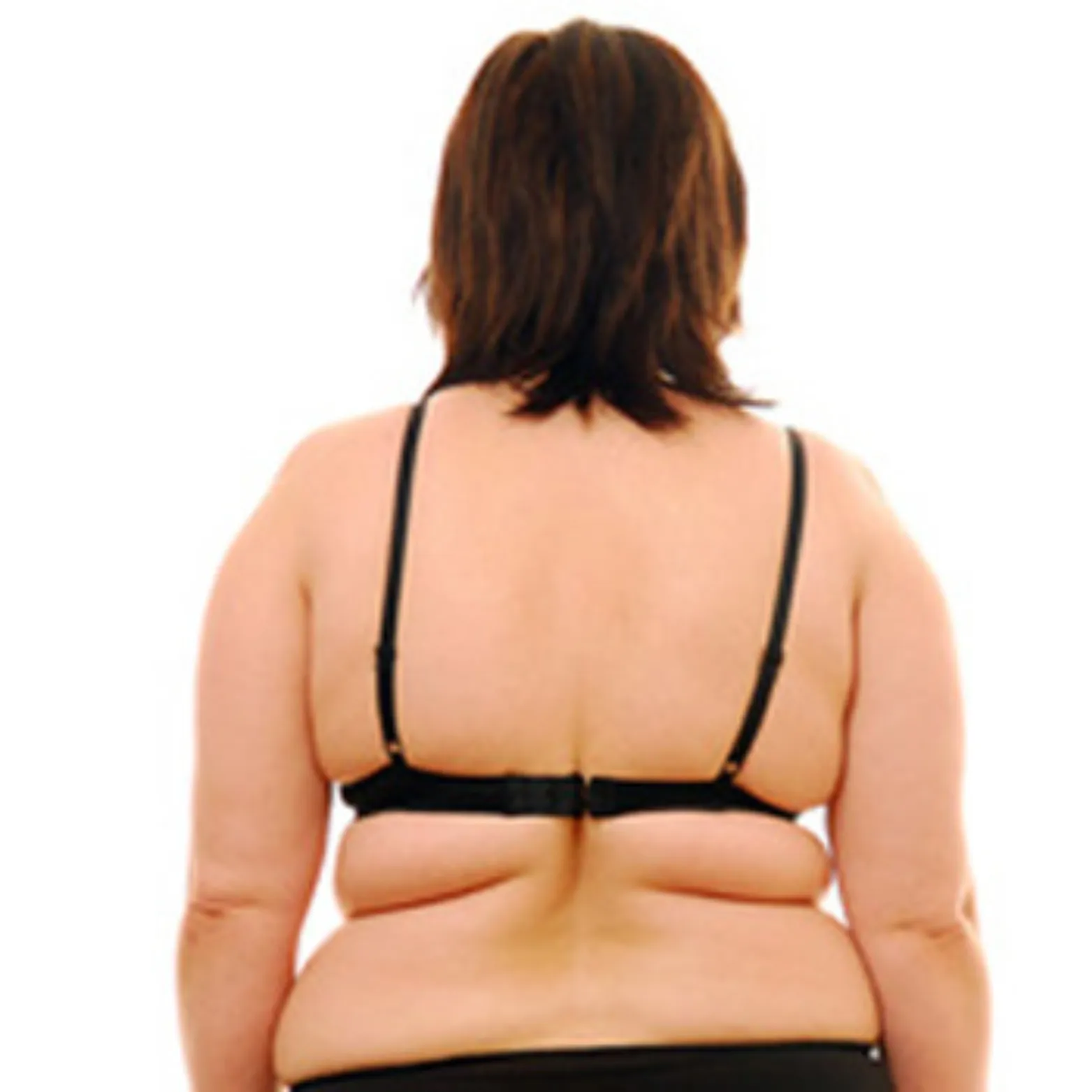
Cellulite is what happens when fat under the skin pushes up against fibrous connective tissue, causing the skin surface to become uneven, dimpled or lumpy. The effect is often described as skin resembling "orange peel", "cottage cheese" or "mattress-like" texture. This condition mainly affects areas where fat tends to accumulate, such as thighs, buttocks, hips and sometimes abdomen. Women are much more likely to develop cellulite than men. That is because of structural differences in skin and connective tissue as well as effects of hormones.
There are multiple factors at work. Genetics play a role: if others in your family have visible cellulite, you may be more predisposed. Hormonal factors, especially those related to female hormones, influence fat storage and how connective tissue holds fat under the skin. Age is also a factor. As skin loses elasticity and collagen with time, cellulite tends to become more visible. At the same time, reduced circulation or poor lymphatic drainage can worsen appearance of cellulite by impairing skin health and allowing fluid retention or fat deposits to push against connective tissue. Lifestyle elements matter too. Diet heavy in processed foods, high sugar or salt, lack of regular physical activity and sedentary habits can all contribute to more pronounced cellulite.
Because of this complexity, there is no simple cause or one-size-fits-all answer — and that is why cellulite remains a challenge in dermatology and cosmetic care.
Even in medical and scientific literature the consensus is that cellulite is a multifactorial condition. While many treatment methods exist, none universally guarantee permanent removal of cellulite, and results vary widely between individuals. This means that managing expectations and understanding what treatment can realistically do is important.
What Can Help: Lifestyle, Skin Care and Realistic Expectations
If you are dealing with cellulite, it is helpful to first consider habits and lifestyle changes that support skin health. Regular physical activity that combines cardio and strength-building exercises for lower-body muscles can help tone legs, buttocks and thighs. Stronger muscles may make skin look firmer and reduce how prominent cellulite appears. Holding a healthy body weight, balanced diet with plenty of water, avoiding excessive salty or sugary food — all contribute to better blood circulation, better skin hydration and possibly less visible cellulite.
Good overall skin care may help too. Techniques such as gentle massage, careful exfoliation or dry brushing might — at best — temporarily improve circulation or lymph flow. Skin-healthy nutrition, adequate hydration and avoiding habits that damage connective tissue (for example smoking, excessive alcohol or poor sleep) support the resilience of skin. Some topical creams with ingredients that influence skin elasticity or improve circulation might offer modest, short-term benefits.
It is vital to keep in mind that while these lifestyle and skin care strategies are healthy overall, they seldom “cure” cellulite. The structural changes beneath the skin — the fibrous connective tissue, fat deposits, skin elasticity — often persist, making cellulite a long-term, manageable concern rather than something that simply goes away.
Advances in Non-Surgical Treatments for Thighs and Buttocks
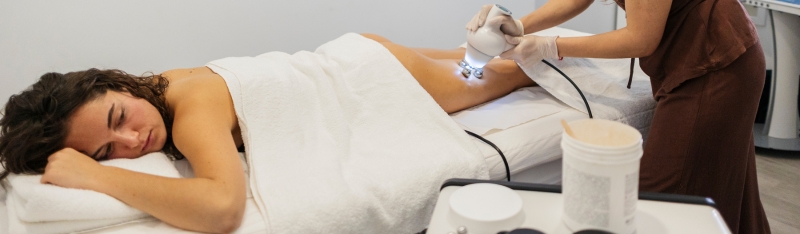
Because lifestyle and topical approaches have their limits, many people look into non-surgical aesthetic treatments for cellulite. In recent years there has been progress in technology that addresses cellulite in ways more targeted than creams or massage. Among these, energy-based devices that combine heat, mechanical stimulation and improved circulation have shown promising results. Radiofrequency therapy, acoustic-wave therapy (or shock wave therapy) and vacuum-assisted mechanical massage are among the modalities that may reduce the appearance of cellulite over time. These treatments aim to improve skin elasticity, enhance circulation and help smooth out the uneven fat distribution that gives rise to dimpling.
One of the challenges with cellulite treatment is that no method reliably “eliminates” cellulite permanently for everyone. Because cellulite has a complex root in skin structure and connective tissue, even advanced therapies often provide improvements that require maintenance. That is why medical experts consider cellulite as a condition where a tailored, individualised treatment plan works better than a one-size-fits-all cure.
Recent reviews emphasise cautious optimism. While new technologies have improved outcomes compared to older, simpler treatments, the results remain unpredictable and often temporary. Nevertheless, for many people, non-surgical options offer visible reduction in dimpling, smoother skin texture and a firmer, more contoured silhouette — particularly in areas like the thighs and buttocks.
How a Structured Treatment Approach Makes a Difference
For anyone considering professional help for cellulite on thighs and buttocks, the most effective strategy relies on a structured, well-planned treatment path rather than sporadic active efforts. A good starting point is a thorough consultation with experienced practitioners who understand the multiple contributing factors behind cellulite: skin type, connective tissue structure, fat distribution, circulation and lifestyle influences.
A well designed treatment plan should combine advanced technologies such as radiofrequency heating, mechanical therapies, acoustic-wave stimulation or other energy-based devices — chosen depending on the individual’s skin condition and needs. Such a plan could help stimulate collagen production, improve skin elasticity, enhance blood flow and lymphatic drainage, and gradually reduce visible fat irregularities. After professional treatment, maintaining a healthy lifestyle, balanced diet, regular physical activity and good skin care supports longer-lasting results.
It is also important to have realistic expectations. Because cellulite is not a disease but a cosmetic condition rooted in skin anatomy, even the best treatment rarely yields complete permanent removal. Instead, moderate to noticeable improvements over time — smoother skin, firmer thighs and buttocks, improved contour and confidence — are the realistic outcomes for many clients.
Why Professional Clinics Matter: Expertise, Safety and Consistent Results
When you seek treatment for cellulite, where and by whom you get treated makes a major difference. Clinics led by experienced medical professionals and certified practitioners are often better placed to assess skin condition properly, choose appropriate treatment modalities, and monitor progress safely. In non-surgical cellulite care it is especially important to have practitioners trained in energy-based devices and understanding of skin anatomy. A reputable clinic with years of experience and high standards of care can offer more consistent results than “one-size-fits-all” providers or do-it-yourself treatments.
Moreover, non-surgical treatments tend to carry fewer risks than surgical procedures. Because they avoid incisions or extensive downtime, they are often more convenient and suited for those who want to maintain everyday life while improving skin appearance. For many people, the fact that such treatments are safe for all skin types, painless or minimally uncomfortable, and do not require long recovery is a big advantage.
Still, because cellulite is complex and long-lasting improvements cannot be guaranteed, responsible providers always emphasise maintenance, follow-up and realistic goals. A transparent, honest consultation that explains what can and cannot be achieved is part of trustworthy care, along with personalised treatment plans rather than standardised packages.
What to Consider Before Pursuing Treatment for Thigh and Buttock Cellulite
If you are thinking about getting professional treatment for cellulite on thighs or buttocks, a few key considerations can help you make an informed decision. First, assess your skin condition, lifestyle, expectations and readiness for possible follow-up sessions. Non-surgical treatments often require a series of sessions rather than a single procedure; results improve cumulatively over time.
Second, look for experienced, qualified practitioners who understand cellulite’s complexity and can tailor a plan to your needs. Safety, hygiene, skin evaluation and aftercare support are just as important as the technology used. Treatments may feel comfortable but what matters is correct assessment and gentle yet effective application.
Third, maintain a healthy lifestyle and skin care routine to support any professional treatment. Without good circulation, healthy diet and physical activity, even advanced therapies tend to lose their impact over time. Treat cellulite like long-term skin health rather than a quick fix.
Finally, manage expectations. Understand that cellulite is extremely common and often natural for many bodies. For thousands of people who undergo professional treatment, the goal is improved skin texture and confidence rather than “perfectly smooth, cellulite-free skin.”
Embracing Confidence, Realistic Beauty and Long-Term Skin Care
Cellulite affects far more people than many realise — for many women it is a natural feature after puberty that reflects their anatomy, lifestyle, genetics and skin structure. It is not a disease or a fault. Accepting that does not mean you cannot work to improve how your skin looks or feels. With a balanced approach combining healthy living, good skin habits and, if you choose, responsibly delivered non-surgical treatments, you can support your skin health and appearance.
The most important thing is to make decisions based on accurate information, realistic outcomes and self-respect rather than perfection. Smooth skin does not define worth. But when you feel comfortable in your skin, confident in your appearance, that can support self-esteem, sense of well-being and how you carry yourself. In that light cellulite care becomes part of wider self-care and body-positive living.